

 See My Latest Article on HelloNation
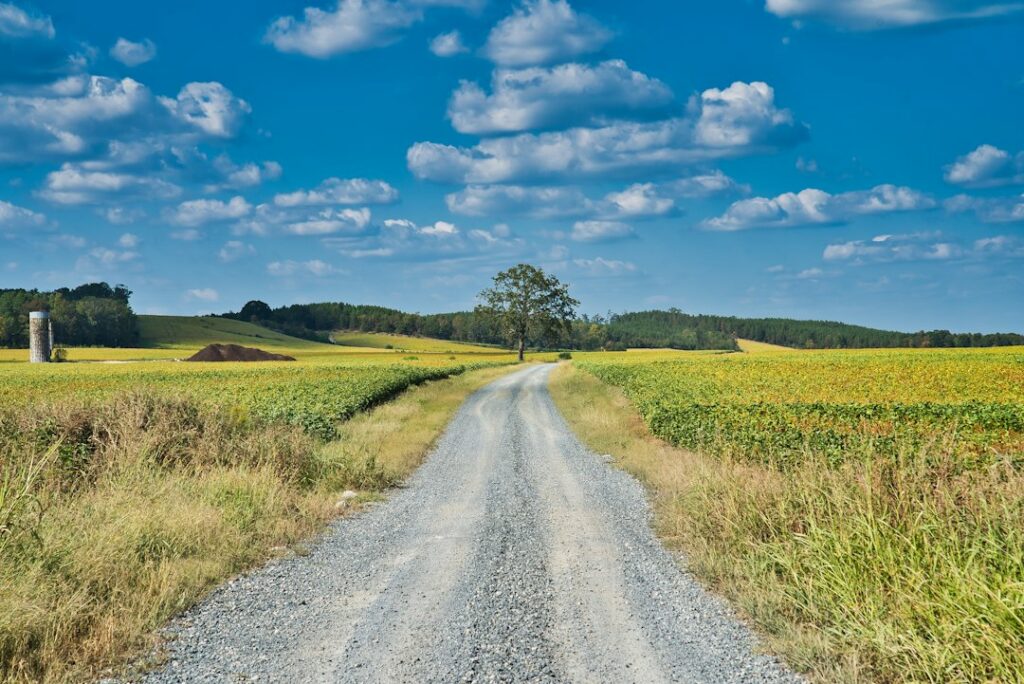
What should you examine first during a rural property walkthrough?
Start with the land itself, not the house. A rural property can appear attractive from the road while concealing drainage problems, difficult access, unstable slopes, or maintenance demands that are not obvious during a brief visit.
Before walking the acreage, pause near the entrance and observe:
- The condition and width of the driveway
- Standing water, muddy areas, or eroded soil
- The slope of the land and direction water appears to travel
- Tree cover, open fields, fencing, and areas that seem unused
- Nearby roads, agricultural activity, equipment noise, or other surroundings
- Whether the property appears accessible for emergency vehicles, deliveries, and routine household traffic
Walk the land in more than one direction. A property that seems level near the home may slope toward a low area, creek, pond, or neighboring parcel. In Franklin, seasonal rain can make drainage and erosion easier to see at certain times of year, but dry conditions may hide how water behaves after a storm.
How can you evaluate drainage and water movement?
Look for evidence of where water has been and where it may go. Drainage is one of the most overlooked concerns on rural land because problems may occur away from the house.
Inspect low areas, ditches, culverts, creek banks, and the ground around outbuildings. Signs that deserve closer attention include:
- Deep channels or exposed roots caused by runoff
- Sediment deposits on grass, gravel, or soil
- Damp ground that remains wet while surrounding areas are dry
- Moss, algae, or water staining near foundations and retaining walls
- Washed-out driveway edges
- Blocked or undersized culverts
- Fences that lean or have been damaged by moving water
Do not assume a creek or pond is only a scenic feature. Ask whether it has flooded, whether access changes during heavy rain, and whether the water affects fencing, pastures, septic areas, or usable yard space. A narrow drainage channel can carry substantial water during a strong storm.
What should you look for around the house?
The exterior of the house often reveals more than a quick interior tour. Walk the perimeter slowly and look at the foundation, roof edges, siding, windows, porches, and areas where additions meet the original structure.
Pay attention to:
- Cracks that widen near doors, windows, or foundation corners
- Doors and windows that stick or do not close evenly
- Uneven floors or noticeable transitions between rooms
- Water stains on ceilings, walls, crawl-space materials, or basement surfaces
- Rot near porch posts, decks, steps, and exterior trim
- Gutters that discharge beside the foundation
- Soil that is piled against siding or foundation walls
- Vines, brush, or tree limbs touching the roof
A fresh coat of paint does not necessarily indicate that moisture problems have been resolved. Look for musty odors, recently replaced sections of flooring, patched ceilings, or new materials next to older ones. Those details do not prove a defect, but they can identify areas that deserve questions.
How should septic systems and wells be assessed?
Rural properties may rely on private water and wastewater systems, so these features deserve the same attention as the house. Their locations, age, condition, and maintenance history can affect daily use and future repairs.
Find out where the septic tank, drain field, well, electrical controls, and pressure equipment are located. During the walkthrough, look for:
- Unusually green or unusually wet grass over the drain field
- Sewage odors or slow-draining fixtures
- Surface water near septic components
- Vehicles, sheds, or other heavy loads placed over the drain field
- Well equipment exposed to weather or standing water
- Missing or damaged well-house covers
- Limited space for future septic repair or replacement
Do not drive across an identified drain field or place heavy equipment over it. Ask for available records, pumping history, water testing information, and any known repairs. A private well should be evaluated for water quality and reliable production rather than judged by appearance alone. Testing may be especially appropriate if the property has been vacant or the system’s history is unclear.
What access and boundary issues matter on rural land?
A rural driveway is not automatically a legal or practical access route. Confirm how the property connects to the public road and whether any portion of the driveway crosses another parcel.
During the walkthrough, note:
- Gates, locked barriers, and shared driveways
- Narrow bridges or low-water crossings
- Steep grades that could become difficult in wet or icy weather
- Areas where large trucks or emergency vehicles may struggle
- Utility poles, overhead lines, and access points for maintenance
- Fences that may not follow the actual property boundary

Fences are useful indicators of land use, but they are not reliable proof of ownership lines. A fence may be old, misplaced, or shared with a neighboring parcel. Boundary questions should be checked against the legal description and current survey rather than resolved by visual inspection.
Also look for informal paths, gates, or driveway segments that suggest a shared-use arrangement. Ask whether there are recorded access rights, maintenance responsibilities, or restrictions affecting the property.
What should you inspect in barns, sheds, and other outbuildings?
Outbuildings can add useful storage or agricultural function, but they may also create repair and safety concerns. Enter only areas that are reasonably safe and permitted for inspection.
Check posts, beams, roofing, doors, floors, and the base of each structure. Look for:
- Sagging roofs or separated framing
- Termite damage, rot, or soft wood
- Unstable masonry or leaning walls
- Exposed wiring, overloaded outlets, or improvised electrical work
- Fuel, chemicals, old machinery, or sharp debris
- Rodent activity and nesting materials
- Water intrusion around the foundation
A structure may appear sound from the outside while having weakened framing or unsafe electrical conditions inside. Do not enter a building with severe roof sag, visible structural movement, exposed live wiring, or unstable flooring.
How do you evaluate trees and wooded areas?
Trees are part of the character of rural land, but they can also create risks and recurring maintenance. Look for dead limbs, leaning trunks, cavities, fungal growth, exposed roots, and trees growing close to the house, driveway, septic equipment, or utility lines.
In wooded areas, note whether the ground is easy to walk or contains steep drops, hidden drainage channels, thick brush, or invasive growth. Fallen trees may indicate storm exposure, disease, or ordinary forest maintenance. A large number of damaged trees can also affect future clearing costs and driveway access.
Do not assume every wooded portion is suitable for building, gardening, livestock, or recreation. Soil, slope, drainage, easements, and environmental restrictions may limit practical use.
What questions should you answer before leaving?
Take photographs and notes, but also record what remains unknown. A useful walkthrough should answer practical questions such as:
- Where does water go after heavy rain?
- Which areas are usable throughout the year?
- How are water, wastewater, electricity, heating, and internet services provided?
- Can the driveway be used safely by ordinary vehicles and emergency equipment?
- Are fences, ponds, outbuildings, or gates shared or subject to agreements?
- What maintenance is required each season?
- Which conditions need testing, documentation, or additional review?
A walkthrough is not a substitute for inspections, surveys, water testing, septic evaluation, or review of property records when those steps are warranted. Its purpose is to identify visible conditions, ask better questions, and avoid judging rural land solely by the appearance of the home or the view.