
 See My Latest Article on HelloNation
What Is Conservation Land and How Is It Used Locally?
Owning conservation land means holding property that is restricted in use to protect its natural features, wildlife, or scenic value. In Franklin, TN, this often involves land set aside through conservation easements—legal agreements that limit development while allowing for continued private ownership. These properties contribute to local biodiversity, preserve historical landscapes, and maintain the rural character valued by area residents. Owners may use the land for agriculture, forestry, recreation, or habitat protection, but certain uses, like subdivision or commercial construction, are typically prohibited.
What Are the Benefits of Owning Conservation Land in Franklin, TN?
The positives of owning conservation land here include environmental, financial, and lifestyle rewards. Residents often cite these key upsides:
- Environmental Stewardship
Landowners contribute directly to protecting streams, woodlands, and open space, sustaining habitat for wildlife such as deer, songbirds, and pollinators native to the region.
- Rural and Scenic Value
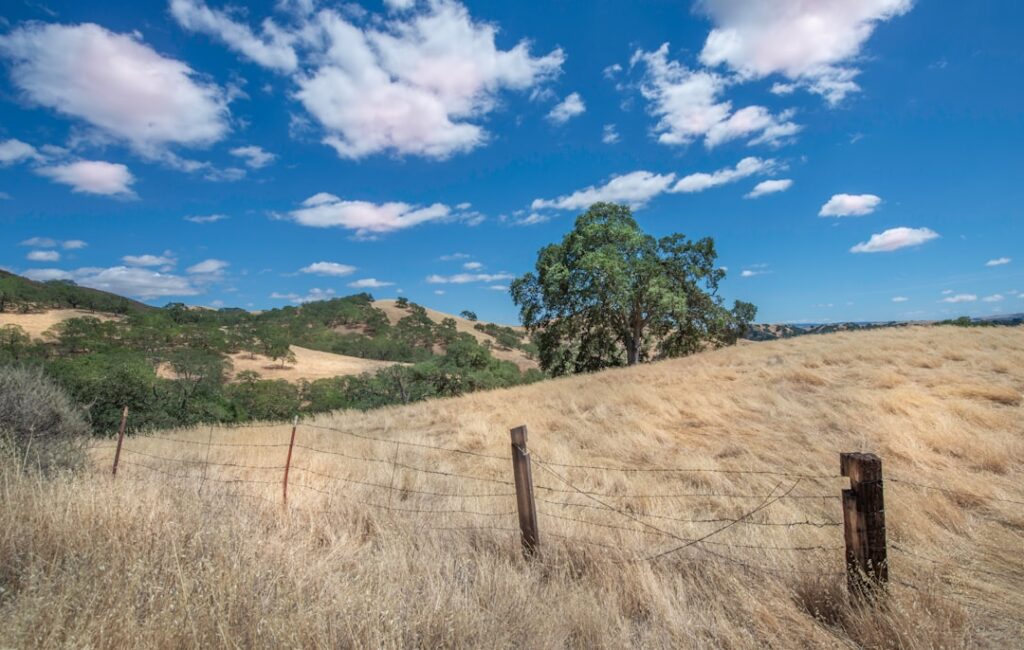
Conservation parcels help maintain the scenic beauty and rural feel that defines much of the Franklin landscape, benefiting both the owner and the wider community.
- Possible Financial Incentives
In some cases, permanent conservation agreements may reduce local property taxes if the land’s development potential is limited. Federal and state conservation programs sometimes offer additional tax relief or grants for restoration and stewardship projects.
- Legacy and Peace of Mind
These properties allow families to pass down land that will remain largely unchanged, preserving ecological and historical character for future generations.
What Are the Restrictions and Challenges?
While conservation land brings meaningful benefits, it comes with real limitations and obligations that may not fit every landowner’s goals.
- Use Limitations
Activities that could damage the environmental quality—like new home construction, major grading, or road building—are often not allowed or require strict oversight. Some easements prohibit all commercial uses, while others may allow traditional farming or low-impact recreation.
- Limited Resale Market
Conservation land generally appeals to a smaller pool of buyers, since future uses are restricted. Resale can take longer or yield a lower price compared to unrestricted parcels.
- Maintenance Responsibilities
Owners remain responsible for managing invasive species, controlling erosion, and maintaining open land in line with the conservation agreement. This can result in extra time and cost, especially for larger parcels.
- Complex Legal Documentation
Understanding the terms of a conservation easement or deed restriction is essential. Each agreement may have specific rules, allowable uses, and reporting requirements. Clarity at purchase—and careful record keeping—are important to avoid future disputes.
- Changing Needs Over Time
Restrictions are usually permanent. If a family’s plans change, or the area’s infrastructure evolves, it can be difficult or impossible to alter allowed uses.
Are Conservation Land Owners in Franklin Eligible for Any Local Tax Benefits?
Some owners may qualify for reduced property assessments or state tax credits, but eligibility depends on the property’s characteristics and the specific conservation agreement.
- Local Tax Assessments
In the area, land placed under permanent conservation easement is sometimes valued at a lower rate for property tax purposes. This is due to the reduced development potential. The county assessor’s office reviews each situation individually, often requesting documentation of the easement and its restrictions.
- Applications and Criteria

Owners may need to apply annually or submit updated agreements to maintain any reductions. Land used for agriculture, forestry, or managed natural habitat may qualify for additional exemptions, though not all conservation land will meet every program’s requirements.
Can Owners Use or Improve Conservation Land for Personal Enjoyment?
Yes, most owners retain the right to enjoy their land within the defined limits. Allowable activities generally include:
- Hiking, birdwatching, and passive recreation
- Maintaining existing trails, fences, or historic structures
- Managing for wildlife or native plants
- Sustainable farming, haying, or timber harvests (if specified in the agreement)
Construction of new buildings, roads, or intensive development is usually prohibited. Any improvements typically must be reviewed and authorized by the organization holding the easement.
What Are Common Misunderstandings About Conservation Land Ownership?
Some area residents expect unrestricted access, major tax breaks, or the ability to change land use later—none of which are guaranteed.
- Tax Benefits Are Not Automatic
Both local and federal incentives are subject to program rules. Not every parcel or every easement qualifies for relief.
- Restrictions Are Long-Term
Conservation agreements “run with the land”—they bind future owners and are extremely difficult to undo.
- Public Access Is Not Required
Most conservation land remains privately owned. Unless specifically stated, owners do not have to allow public entry or trails.
- Land Management Still Required
Passive protection is rarely enough for long-term ecological health. Owners are often responsible for active stewardship.
What Steps Should a Prospective Buyer or Landowner Take?
Carefully review all easement documents or deed restrictions before purchasing or committing land for conservation purposes. It’s wise to walk the property, consider both current and future needs, and consult public resources such as local land trusts or the county assessor for answers about allowed uses and possible incentives. For land with sensitive habitats or special conditions, professional land management advice may be helpful to ensure compliance and long-term sustainability.
Ownership of conservation land in and around Franklin rewards those committed to environmental protection and rural values, but it means adopting permanent restrictions and responsibilities that require thoughtful consideration.