

 See My Latest Article on HelloNation
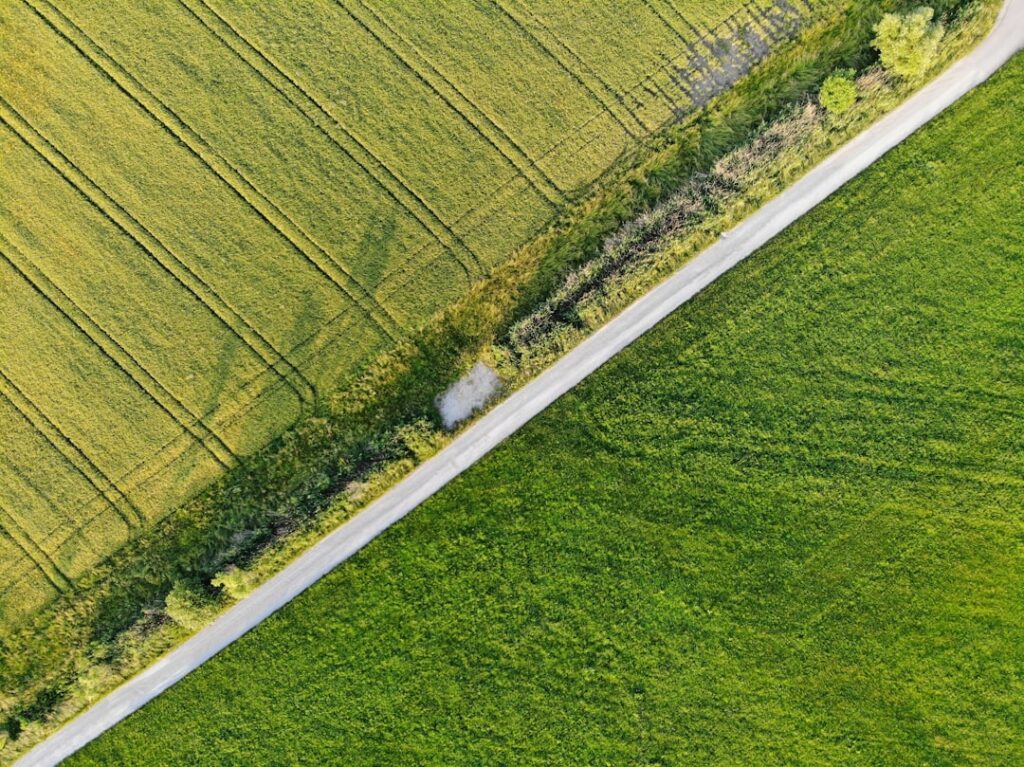
What Do People Mean by "Rural Land Value" in Franklin, TN?
Rural land value refers to the estimated financial worth of an undeveloped or sparsely developed property outside city boundaries. In Franklin, this includes small family farms, forested acreage, open pastures, and parcels suited for homesteads or recreational use. Unlike residential lots, rural properties in the area are often judged by different factors such as soil quality, road access, water sources, and local zoning regulations.
What Factors Most Directly Affect Value in This Area?
Several key factors shape rural land values locally. While no parcel is identical, most buyers and sellers focus on the following:
- Acreage: Larger tracts tend to command higher total prices, but price per acre typically decreases at larger sizes.
- Location: Proximity to paved roads, utilities, schools, and community infrastructure often increases demand.
- Topography: Flat, usable fields are typically valued higher than steep, rocky, or flood-prone land.
- Utilities and Infrastructure: Access to electric power, public water, or natural gas lines can significantly impact price.
- Water Sources: Natural springs, creeks, or ponds, as well as soil suitable for septic systems, are valued for both lifestyle and agricultural use.
- Zoning and Land Use Restrictions: Local zoning ordinances can allow or limit certain activities, such as building homes, subdividing parcels, or raising livestock.
In Franklin, these factors take shape within rolling hills, mixed woodlands, and agricultural fields typically found in rural Williamson County.
How Do Residents Find Comparable Land Sales?
Recent land sales of similar properties are the foundation for estimating value. However, finding useful comparisons can be difficult:
- Public Records: The county property assessor’s database and recorder’s office provide sales data for area parcels, including size, price, and characteristics. These are available online and in person.
- Land Listings: Reviewing current and off-market listings for properties with similar uses, size, and location can give a general sense of the market.
- Land Type Matters: Pastureland, timber tracts, recreational parcels, and buildable lots each create distinct markets. Always compare with properties sharing major characteristics.
Because rural land is more unique than subdivision lots, direct comparisons often require adjustments for size, terrain, and improvements.
How Does Soil Quality and Suitability Impact Value?
In Franklin’s rural areas, good soil has a direct impact on land worth:
- Agricultural Use: Deep, well-drained soils support productive pastures, row crops, gardens, or orchards. Properties with high-quality soils are usually worth more to buyers planning agricultural or homestead uses.
- Septic Suitability: Most rural properties require a soil percolation (“perc”) test before building a home, as county rules mandate proper septic function. Land that cannot pass this test may have limited or no buildable value.
- Timber Value: Wooded parcels may have varying timber quality, depending on tree species and age. Appraised timber value can be part of an overall land assessment but is rarely the sole driver of price.
What Role Do Access and Road Frontage Play?
Access can shape utility and legal value, especially outside city limits:
- Public Road Frontage: Parcels with wider frontage on paved roads generally fetch higher prices due to utility access and easier subdivisions.
- Easements and Private Drives: Some rural tracts are accessed by shared or private driveways, which may limit use or add maintenance costs. Understanding legal access is crucial.
- Physical Access: Seasonal issues such as flooding or erosion can affect the ability to enter a property year-round, reducing its value for certain uses.
How Do Seasonal and Environmental Conditions in the Region Affect Value?
Local weather and land characteristics play a hidden role:
- Flood Risk: Low-lying areas or those near creeks may look appealing but can lose value because of soil saturation, flooding, or restrictions on building permits.
- Wildlife and Land Management: Properties managed for native habitat, wildlife, or sustainable agriculture may see increased value for buyers interested in recreation or conservation.
- Climate Considerations: Local freeze-thaw cycles affect road conditions, pond stability, and driveway usability, especially on rural tracts.

Are Improvements and Utilities Always an Advantage?
Not all improvements provide an equal return:
- Fencing and Barns: Existing fences or agricultural structures can add utility and moderate value, provided they suit the land’s best use.
- Wells and Water Systems: Functioning water wells or developed springs are valuable for homesteads or livestock. However, outdated or shallow wells may hold minimal worth.
- Power Access: Land with utility access—especially cleared rights-of-way for electricity—generally attracts higher prices, but old or unsafe connections usually require expensive upgrades.
How Do Local Zoning and Development Rules Influence Market Value?
Every parcel is subject to local codes, which can limit or expand its potential uses:
- Zoning: Some rural parcels are zoned strictly for agriculture or large tracts, prohibiting subdivisions or dense development.
- Conservation Easements: Properties enrolled in conservation programs may benefit from lower taxes but face restrictions on building or land use.
- Permitting: The ability to secure building, driveway, or septic permits is often decisive for buyers. Always review local rules before relying on an assumed use.
What Common Misconceptions Should Residents Avoid?
Several misunderstandings persist about rural land:
- Assuming All Acreage is Usable: Wooded sections, flood zones, or steep ridges may not be suited for building or agriculture.
- Expecting Perpetual Growth: While Franklin’s rural land values have increased overall, shifts in demand, regulations, or economic trends can reverse or flatten perceived gains.
- Overlooking Hidden Costs: Clearing trees, graveling a long driveway, or running utilities to remote sections can add significant expense, reducing net value for certain uses.
Anyone considering land transactions in the area should weigh the tangible, legal, and practical aspects above when forming a realistic sense of value.