

 See My Latest Article on HelloNation
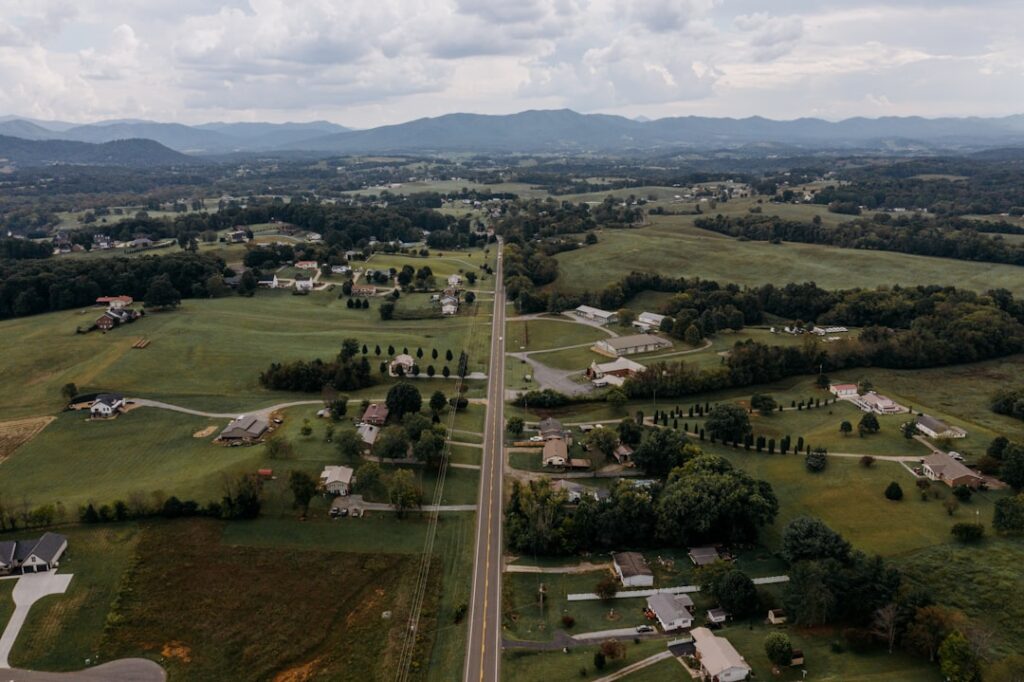
What Are Water Rights and Why Do They Matter in Franklin, TN?
Water rights determine who can use water from natural sources—like streams, ponds, and underground wells—on rural property. In areas surrounding Franklin, this can impact everything from operating a farm to maintaining a home garden or filling a livestock pond. Property owners benefit from a clear understanding of both their rights and any restrictions, as these rules affect daily usage, property value, and future plans.
Who Regulates Water Use on Rural Properties?
In Tennessee, surface and groundwater are subject to a mix of state regulations, common law principles, and local ordinances. For most rural landowners in the Franklin area, oversight is shared between the Tennessee Department of Environment and Conservation (TDEC) and local agencies.
- Groundwater use (such as wells) often requires notification to TDEC if water use exceeds a threshold.
- Surface water use may be affected by state permitting if the withdrawal is significant or impacts public water bodies.
- Rights can intersect with environmental protections—such as preserving wetlands or safeguarding endangered species habitats.
How Do Water Rights Attach to Rural Land?
In Franklin, water rights are generally attached to the land itself. This means that when a property changes hands, water use privileges usually transfer to the new owner. However, exceptions exist:
- Easements or mutual agreements may exist for shared ponds or water access with neighboring properties.
- Some properties have “riparian rights,” which let owners use water from streams or rivers adjacent to their parcel, but only for “reasonable use” (for example, irrigation, household needs, or watering animals).
- Any right to dam, divert, or significantly alter natural water flow is restricted and may require state permits.
Can You Drill a Well, and Are There Restrictions?
Most rural households in the community who are not connected to municipal water rely on private wells. While Tennessee generally allows property owners to drill wells for reasonable personal use, regulations aim to protect both the aquifer and neighbors:
- Wells must meet setback requirements from septic systems, livestock areas, and property lines.
- Well construction should be reported to the state, and specific guidelines help prevent contamination.
- Large-scale withdrawals or wells for commercial agriculture, subdivision, or shared use can trigger additional permits.
A common oversight is assuming all land in the area automatically allows a well, but some parcels may have topographical or regulatory barriers to new drilling.
What About Ponds, Streams, and Surface Water Features?
Ponds fed by surface runoff or small streams are common on rural land in and around Franklin. Questions often arise when someone wants to build, expand, or use a pond for irrigation or recreation:
- Creating a pond that alters stream flow, floods wetlands, or changes a river channel often needs a permit from state environmental agencies.
- Taking water from streams for irrigation must not diminish downstream users’ access or harm aquatic life.
- Maintenance and repair of existing water features may also have guidelines, especially for dam safety.
Misunderstandings often occur around “ownership” of streams—the state considers most natural streams as public resources, not private property beyond your portion of the waterflow.
Are There Seasonal or Drought Concerns for Local Properties?

Franklin experiences periods of drought, especially in late summer. During these times, state or regional authorities may temporarily restrict outdoor water use, filling of ponds, or large-scale irrigation.
- Private well users are generally less affected but are encouraged to conserve to protect groundwater supplies.
- Shared water sources (such as those serving multiple rural homes) can face more significant restrictions.
- Monitoring well output and understanding local aquifers helps—many rural residents track water table levels during dry spells.
A locally specific example: during drought advisories, households sometimes collaborate to stagger garden irrigation or share data about stream conditions.
What Legal Disputes Arise Around Water Access?
Occasional disputes surface between neighbors, especially if one landowner’s use affects another’s well output or surface water flow. Common situations include:
- One property owner lowering the water table through a deep well, affecting a neighbor’s shallower well.
- Alterations to drainage causing flooding or reduced water to adjoining land.
- Disagreements over longstanding informal agreements, especially after property transfers.
Tennessee courts generally resolve these matters based on reasonableness and prior use. Good recordkeeping and communication among neighbors are the best first steps before any formal action is necessary.
Where Can Residents Find Local Water Data or Guidance?
To navigate water rights issues with confidence, residents can consult public resources:
- The Tennessee Department of Environment and Conservation website has well construction rules, permitting forms, and regulatory updates.
- County government offices may offer maps showing flood risk, known wells, and floodplain boundaries.
- Local conservation districts sometimes provide educational materials about best practices for home wells and surface water management.
Area residents seeking clarity on a specific parcel or planned project can often find helpful, non-commercial guidance from these governmental sources—whether weighing land purchases, planning improvements, or responding to drought.