

 See My Latest Article on HelloNation
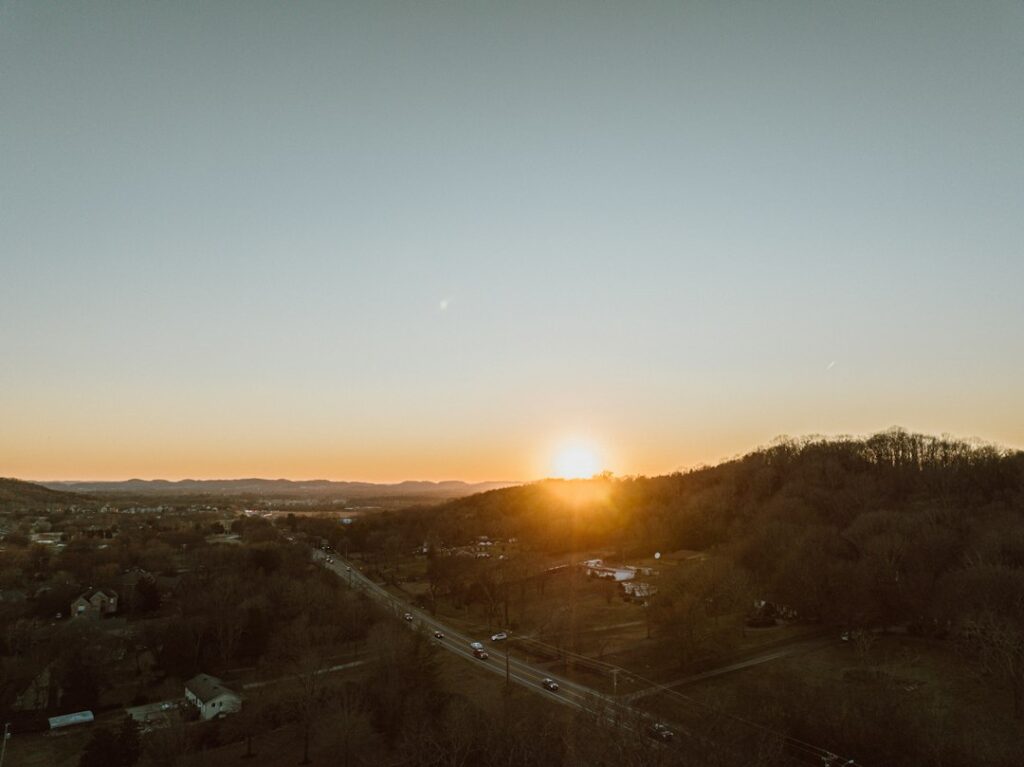
What makes a location suitable for a country home?
The best country-home location balances privacy, usable land, reliable access, and long-term practicality. A scenic view matters, but it should be considered alongside drainage, road conditions, utilities, zoning, and the cost of maintaining the property.
Rural land can look appealing during a short visit while presenting challenges during heavy rain, winter freezes, construction, or periods of rapid nearby growth. A careful evaluation should consider how the property functions through every season—not just how it appears on a clear afternoon.
How should privacy and convenience be balanced?
A country home does not need to be isolated to feel private. Many buyers prefer a property with a wooded edge, open fields, or a long driveway while remaining reasonably accessible to schools, medical care, employment areas, and daily errands.
Before choosing a location, estimate the travel time during normal peak traffic, not only during a quiet weekend. Also consider:
- Whether the driveway connects directly to a public road
- The number of homes using a shared drive
- Road width and turning space for emergency vehicles
- Whether the route becomes difficult during heavy rain
- The distance to commonly used services
- How much time household members are willing to spend driving
In the rural portions of Franklin, a property may feel secluded while still being affected by growing traffic, future development, or changes in surrounding land use. Privacy should therefore be evaluated from both the property and the surrounding landscape.
What land features matter most?
Usable acreage is generally more valuable than acreage that cannot support the intended lifestyle. A smaller tract with a level building area, suitable driveway access, and dependable drainage may function better than a larger property dominated by steep slopes, wet areas, or dense woods.
Walk the property after rainfall if possible. Look for:
- Standing water near the proposed homesite
- Erosion along driveways or slopes
- Water flowing toward the foundation area
- Exposed roots, gullies, or soft ground
- Areas where farm equipment or maintenance vehicles cannot travel
- A practical location for gardens, barns, fencing, or recreational space
The best homesite is not always the highest point or the area with the broadest view. A high ridge may have difficult access, stronger wind exposure, or limited room for utilities. A low area may offer attractive scenery but create drainage and moisture concerns.
How do soil, septic, and water conditions affect the choice?
On rural property, soil and water conditions can determine whether a home can be built economically. A parcel may be large enough for a house but lack a suitable area for a septic system, replacement field, driveway, or well.
Before treating a property as buildable, verify:
- Whether public water and sewer are available
- If a private well would be necessary
- Whether the proposed homesite has suitable septic area
- Where the septic system and replacement area could be placed
- Whether wells, springs, and septic components would have adequate separation
- Whether soil conditions could affect foundations, roads, or drainage
Do not assume that a previous home, barn, or approved building site guarantees that a new home can be placed in the same location. Records may apply to a particular structure, use, or site plan. Current requirements should be confirmed before relying on old information.
Should flood risk be checked even if the property is not beside a creek?
Yes. Flood risk is not limited to land directly touching a visible stream. Low-lying fields, drainage channels, undersized culverts, and concentrated runoff can create water problems away from the main creek channel.
The city maintains floodplain information and participates in the National Flood Insurance Program. Map boundaries and site conditions should be reviewed together because a map may not show every drainage concern affecting a driveway, yard, or building pad. ([franklintn.gov](https://www.franklintn.gov/government/departments-a-j/building-and-neighborhood-services/zoning-administration-and-inquiries/floodplain-management?utm_source=openai))
When evaluating a property, look for:
- Water marks on trees, fences, bridges, or outbuildings
- Ditches that appear recently washed out
- Driveways with steep approaches or low culverts
- Evidence of repeated ponding
- Homes or barns raised noticeably above surrounding ground
- Creeks that narrow near road crossings

A property outside a mapped floodplain can still experience localized stormwater problems. Drainage should be evaluated on the ground, particularly during wet seasons.
How do zoning and land-use rules shape a rural location?
Zoning affects what can be built, how many structures may be allowed, and how surrounding land may change. In Franklin, zoning districts include areas intended for agricultural uses, estate-sized residential development, and preservation of rural character. The current zoning ordinance also contains specific rules for permitted uses and development standards. ([web.franklintn.gov](https://web.franklintn.gov/flippingbook/FranklinZoningOrdinance/?utm_source=openai))
Check the property’s zoning before assuming it can support:
- A second dwelling
- A guesthouse or accessory dwelling
- A barn, workshop, or storage building
- Horses, livestock, or agricultural activity
- Short-term rental use
- Commercial activity from the home
- Subdivision or future division of the land
Also examine nearby parcels rather than focusing only on the subject property. A wooded tract may eventually be cleared, a quiet road may carry more traffic, or open land may be developed under rules that allow a different pattern than expected.
What should buyers observe during different seasons?
A location can change significantly throughout the year. Summer vegetation may conceal drainage channels, property boundaries, or neighboring activity. Winter can reveal wind exposure, lack of screening, and difficult road conditions. Spring may expose saturated soils, while autumn can show how much maintenance is required to manage leaves and storm debris.
If possible, visit at different times of day and in more than one season. Pay attention to:
- Morning and evening traffic
- Agricultural sounds, equipment, and odors
- Outdoor lighting from neighboring properties
- Cell service and internet reliability in multiple locations
- Snow or ice exposure on shaded driveways
- Mosquitoes, standing water, and wooded damp areas
- The amount of mowing, tree work, and driveway maintenance required
A country home is a working property, even when it is not operated as a farm. Long driveways, acreage, fences, trees, wells, septic systems, and outbuildings all require regular attention.
How can the surrounding landscape affect long-term satisfaction?
Look beyond the property line. The character of neighboring land often matters more than the house itself. Active farms, large wooded tracts, horse properties, subdivisions, public roads, and utility corridors can each shape noise, views, traffic, and future expectations.
Ask whether the surrounding setting supports the intended lifestyle. Someone seeking quiet may not be comfortable beside active agricultural operations. Someone wanting open views may be disappointed if the view depends on land that could later be cleared or developed.
The most dependable choice is usually a location where the land, access, utilities, regulations, and surrounding uses all support the same long-term plan. Scenic appeal is valuable, but practical fit is what makes a rural property work well year after year.