

 See My Latest Article on HelloNation
How Can Residents Identify Rural Properties in Franklin, TN?
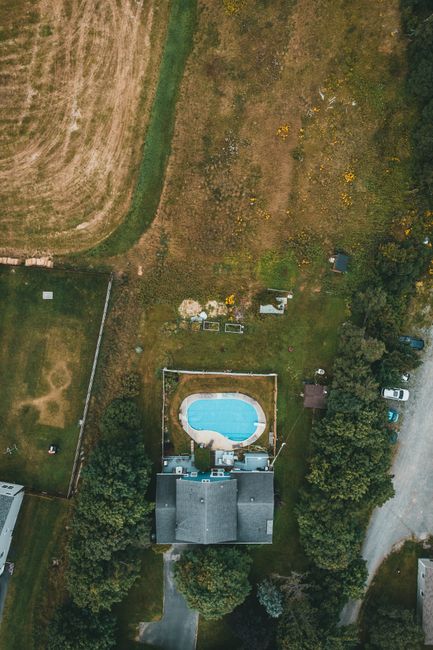
Rural properties in Franklin, TN typically feature larger tracts of land compared to homes within more densely developed neighborhoods. In the area, these parcels might include open pastures, wooded acreage, streams, barns, or farm-related outbuildings. Unlike suburban homes, rural properties are often outside city utilities, have private wells or septic systems, and may be zoned for agricultural uses. Understanding how these land features impact local real estate searches helps residents narrow down property types that meet their needs.
Where Do People Look for Rural Land Listings?
Most people begin their search online, but not all real estate websites filter specifically for rural or agricultural properties. Some platforms allow customization by acreage, zoning, or keyword tags like “farm,” “pasture,” or “equestrian.” Filtering search results by minimum lot size or by excluding municipal addresses can help focus the list. Local property records, public databases, and county GIS maps are additional resources for identifying land use classifications and property boundaries.
For residents preferring printed materials, local newspapers sometimes feature land sales, especially in the classifieds or community news sections. However, electronic resources tend to be more up-to-date for accurate inventory in the region.
What Local Factors Should Buyers Consider Before Shopping?
Rural property buyers must pay close attention to infrastructure and land use rules in the local area. Most rural tracts in the region do not have curbside utilities, so buyers often need to confirm the condition and location of wells, septic systems, or propane tanks. Areas with rolling hills or stream corridors may have additional floodplain considerations or soil limitations for future development.
Road access is another top concern. Some rural parcels are located along gravel driveways or private roads. If so, ask about who maintains these routes, whether there are shared driveway agreements, and if heavy rain affects access.
Buyers also benefit from confirming county zoning regulations, especially if they plan to keep livestock, plant crops, build structures, or subdivide land later. Regulations in this community can change over time, so reviewing up-to-date maps and ordinances is essential.
Are There Specific Times of Year When More Properties Become Available?
Availability of rural land listings can spike during particular seasons, especially late winter through spring, as owners prepare to sell ahead of peak moving months. Some area families prefer to list after the holidays when properties look their best with new foliage and manageable weather. Winter can be slower, but sometimes motivated sellers list during this season for tax or personal reasons. For those with flexibility, checking frequently during spring and summer may reveal the broadest selection.
What Details Should Buyers Verify When Reviewing Rural Listings?
Before making an appointment to view a property, review listing details for features that differentiate rural land in this area:
- Lot size, land topography, and road frontage
- Whether public or well water is available
- What type of septic or waste system is installed, if any
- Whether utilities are already connected or nearby
- Current land use (pasture, woods, crop, mixed use)
- Zoning designations and allowed uses
- Deed restrictions, conservation easements, or floodplain status
It's wise to ask for additional disclosures or reports, such as recent soil tests or surveys, before making decisions.
What Are Common Misconceptions About Buying Rural Properties?
Some local residents assume that rural property always means total privacy or no restrictions. However, some large parcels in the region are located in loosely governed subdivisions, and a few may have restrictions on hunting, building, or livestock. Not every rural home is eligible for agricultural tax benefits, and many front on shared or limited-access driveways.
Other buyers overlook the importance of checking whether rural lots can be divided or developed further. Perc testing for septic suitability or floodplain encumbrances can impact what a buyer can do with the property later. Double-checking access, title history, and property lines on the local assessor’s website avoids surprises after purchase.
Can Residents Find Rural Properties Through Word of Mouth?
Yes, in smaller towns and rural communities, word of mouth remains a surprisingly common way to discover potential land sales. Neighbors may know of owners considering a future sale or parcels available without formal listings. Attending community events, chatting with landowners, or even connecting with agricultural supply shops sometimes uncovers additional opportunities.
Patience is key, as off-market rural properties may take longer to surface. Residents can also monitor public notices for estate sales, tax auctions, or county surplus property, as these occasionally include usable land.
What Steps Should People Take Once They Find a Promising Listing?
After identifying a possible match, the next step is to visit the property in person. Walking the boundaries, observing drainage patterns, and inspecting outbuildings allow buyers to assess potential uses and work needed. Residents should bring a map, take notes, and ideally document features of interest through photos or video for later reference.
It’s also helpful to research recent area sale prices for similar rural acreage as a comparison. Checking county tax records or property transfers can provide a sense of fair value in the local market. Before moving forward, buyers typically order a new survey or title search to confirm boundaries and ownership details.
Are There Overlooked Sources of Rural Property Information?
Although online listings represent most available rural parcels, less obvious sources can include:
- County property auctions or surplus land sales
- Utility district notices about unused lots
- U.S. Department of Agriculture or conservation agency land programs
- Heirs’ property or estate settlement notices
- Bulletin boards in agricultural supply stores or local gathering spots
Monitoring several sources, from the internet to neighborhood news, often yields the broadest picture of what’s available—both listed and quietly on offer—in the area. Being thorough and persistent increases the odds of finding acreage that lines up with specific needs and long-term plans.