

 See My Latest Article on HelloNation
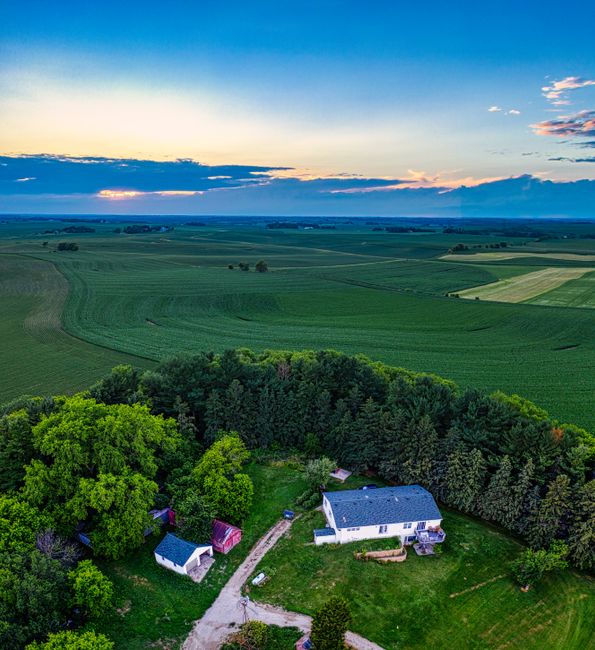
What Should Buyers Check Before Choosing Rural Acreage?
Many buyers focus on first impressions, but a closer look reveals important details. Every property in Franklin, TN comes with unique terrain, soil types, and land histories. While gently rolling pastures may look ideal, underlying issues can lead to unexpected costs or plan disruptions.
Always confirm the following before making decisions:
- Soil quality and drainage: Some parcels in the area have shallow, rocky, or poor-draining soils that may not support crops, livestock, or even certain building foundations.
- Flood risks: Low-lying zones near creeks or rivers are at higher risk for seasonal flooding, especially during heavy spring or fall rains.
- Previous land use: Old dumping grounds, overgrown home sites, or former industrial activity can present safety or remediation challenges.
In Franklin, verifying these variables avoids major surprises during development or after closing.
Are Utilities and Access Often Overlooked?
Yes—buyers frequently underestimate the cost or complexity of utilities and legal access. Rural parcels here are often outside existing utility networks. Even locations close to residential areas might lack:
- Confirmed legal access: A visible gravel path doesn’t always mean there’s a legal right-of-way or easement. Some buyers find themselves landlocked or forced into legal disputes with neighbors.
- Water: Not every parcel is served by a public system. Drilling a well in this region can be costly or unfeasible in certain geology.
- Electricity and high-speed internet: Running new lines several hundred feet (or more) from the road can be expensive.
- Septic approval: Many parts of Franklin require soil tests and health department approval before a septic system can be installed.
Failing to verify these elements early often leads to unexpected delays or higher project costs.
How Can Zoning and Future Growth Plans Affect Land Use?
Franklin has a mix of rural, agricultural, and residential zoning regulations, as well as ongoing growth plans. Many buyers don’t realize restrictions can limit:
- Home type and size
- Outbuildings or farm structures
- Animal types and quantities
- Commercial activity, including agritourism
Local land use maps may show planned road expansions, new developments, or utility easements that could change a property’s future value or privacy. It’s essential to check current zoning and research regional development plans before committing to a parcel.
Why Is Skipping a Detailed Land Survey Risky?
Surveys clarify boundaries, easements, and actual acreage. In the rural landscapes around Franklin, old fences, tree lines, or handwritten deeds often do not match exact property lines. Disputes over acreage or shared boundaries are common and can delay building or result in legal action.
A modern, recorded survey reveals:
- True size and shape of the property
- Overlaps or gaps with neighboring tracts
- Utility easements or potential encroachments
Verifying this information protects buyers from costly mistakes or future conflicts.
What Do Many Buyers Miss About Land Maintenance and Upkeep?
Large plots demand regular upkeep beyond mowing. Rural properties in Franklin experience rapid seasonal growth, encroaching brush, and invasive plant species like kudzu, honeysuckle, or privet. Road and driveway maintenance, fence repairs, and clearing storm debris are regular commitments.
Buyers sometimes underestimate:
- The time, equipment, or cost of maintaining several acres
- The need for specialized tools, such as tractors or brush cutters
- Unseen issues, like erosion or outbuilding repairs after severe weather
Planning for these realities helps set realistic expectations and budgeting.
How Should Environmental Factors Shape the Decision?
Areas around Franklin feature diverse habitats, occasional protected wetlands, and a mix of wooded and open land. Sometimes buyers clear woodland without knowing about protected species habitats, conservation restrictions, or stream buffer zones.
Ignoring these factors can result in:
- Legal restrictions on tree removal or land disturbance
- Unanticipated requirements for stream buffers or replanting
- Impact on wildlife movement, water quality, or overall property enjoyment
Taking the time to review environmental maps and learn about any restrictions leads to smoother development.
Are There Local Habits or Customs Buyers Should Understand?
Yes—neighbors in rural communities value privacy, clear boundaries, and long-standing informal agreements. Sometimes, a shared driveway or customary access route has existed for decades without paperwork. Changing these patterns without discussion can create tension.
Similarly, fire safety, hunting season awareness, and noise from agricultural activities are part of daily life in rural Franklin. Getting to know local customs helps residents integrate smoothly and avoid misunderstandings.