

 See My Latest Article on HelloNation
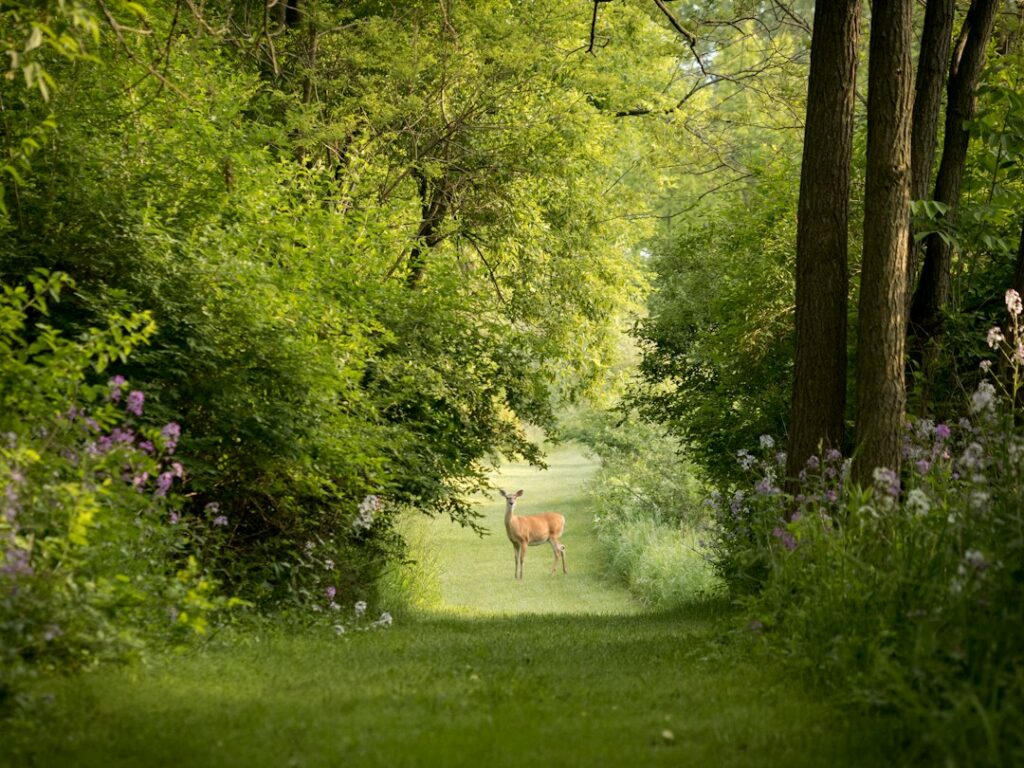
Rural land can provide habitat for deer, turkey, foxes, songbirds, snakes, bats, and other wildlife. It can also create legal questions that do not arise on a typical residential lot. In Franklin, TN, the key point is that owning land does not automatically give a property owner unrestricted authority to hunt, trap, relocate, keep, or kill wildlife.
Wildlife rules generally come from Tennessee statutes and regulations, federal protections, and—within the city’s corporate limits—local ordinances. The applicable rule may depend on the species, the activity, the season, the location, and whether the property is inside or outside municipal boundaries.
Does owning rural land allow someone to hunt or trap on it?
No. A landowner may control access to private property, but hunting and trapping still must comply with Tennessee Wildlife Resources Agency requirements.
Hunters and trappers generally need the required license, must follow the applicable season and bag limits, and must use legal equipment. State wildlife laws also require permission to hunt or trap on private property. Written permission is required for trapping, and written permission is especially important when property is posted with approved “HUNTING BY WRITTEN PERMISSION ONLY” signs. ([tn.gov](https://www.tn.gov/twra/guide/hunting-regulations.html?utm_source=openai))
A practical land-management step is to decide in writing:
- Whether hunting is allowed
- Which people may enter the property
- Whether trapping is allowed
- Which areas are off-limits
- Whether permission expires on a specific date
- Whether guests may bring additional hunters
A verbal understanding can be difficult to verify later, particularly when ownership changes or several family members use the same acreage.
Are there restrictions on shooting near homes?
Yes. Distance, visibility, local firearm rules, and the type of land all matter.
Tennessee hunting regulations prohibit hunting, shooting at, chasing, or killing wild animals or birds on public lands and waters within 100 yards of a visible dwelling house without the owner’s permission. Private-property hunting may also be affected by local firearm-discharge restrictions, subdivision covenants, road boundaries, and safety rules. ([tn.gov](https://www.tn.gov/twra/wildlife-management-areas.html?utm_source=openai))
Rural does not mean isolated. A parcel may contain a barn apartment, neighboring homes, a public road, utility corridors, walking paths, or adjacent livestock. Before allowing hunting, property owners should identify safe backstops, confirm boundaries, and determine whether any municipal restrictions apply.
Within Franklin’s corporate limits, local ordinances may regulate animal husbandry and other property-related activities in addition to state wildlife laws. The city’s property-maintenance division identifies animal-husbandry compliance as part of its enforcement responsibilities. ([franklintn.gov](https://www.franklintn.gov/government/departments-a-j/building-and-neighborhood-services/zoning-administration-and-inquiries/animal-husbandry?utm_source=openai))
Can residents trap nuisance animals themselves?
Sometimes, but trapping is regulated and is not simply a property-owner privilege.
Tennessee’s trapping rules vary by species and may establish open seasons, equipment requirements, reporting duties, and landowner-permission requirements. For example, a trapper working on someone else’s property must carry written permission. If a domestic animal is caught, the trapper must report it to the landowner and pay applicable damages. ([tn.gov](https://www.tn.gov/twra/hunting/small-game-regulations.html?utm_source=openai))
Property owners should be especially cautious with traps near:
- Poultry areas and livestock fencing
- Dog runs and pet-accessible trails
- Creek banks and drainage ditches
- Shared driveways
- Areas used by children
- Neighboring property lines
A trap that is lawful in one setting may still create trespass, safety, animal-cruelty, or property-damage concerns if it is placed carelessly. A person dealing with an injured animal, a bat inside living space, or a potentially rabid animal may need assistance from the appropriate public agency or a properly authorized wildlife-control provider.
Can a wild animal be relocated or kept as a pet?
Usually not without specific authority.
Tennessee regulations prohibit taking native wildlife from the wild and keeping it as a pet. They also generally prohibit possessing live animals taken under hunting and trapping seasons. A young deer, fox, squirrel, bird, or turtle found alone should not automatically be treated as abandoned. Many young animals are temporarily separated from their mothers while the adult searches for food. ([tn.gov](https://www.tn.gov/twra/guide/hunting-regulations.html?utm_source=openai))
Moving wildlife can also spread disease, separate young animals from parents, or place an animal in unsuitable habitat. A property owner should avoid transporting wildlife across roads or to another parcel unless the action is specifically authorized.
Captive wildlife rules may apply to animals that are injured, abandoned, purchased, or kept for educational purposes. Some categories of wildlife cannot be possessed at all, while others require permits. ([tn.gov](https://www.tn.gov/content/dam/tn/twra/documents/law-enforcement/Wildlife-WR-0548-Wildlife-Possession-Permit-Application-ClassII.pdf?utm_source=openai))
Which animals are protected?
Many species receive protection even when they are common or occasionally troublesome.
Tennessee prohibits the taking, killing, or illegal possession of hawks, owls, songbirds, endangered species, and other species for which no hunting season has been established. The state also identifies certain species, including cougars and alligators, as protected because no general hunting season has been proclaimed for them. ([tn.gov](https://www.tn.gov/twra/guide/hunting-regulations.html?utm_source=openai))
Federal migratory-bird protections may also apply to birds, nests, eggs, and active nesting areas. That means removing a nest, blocking an occupied roost, or destroying habitat during nesting can create a legal issue even when the animal is causing inconvenience.

The common misconception is that a landowner may remove any animal found on private property. Private ownership of the land does not eliminate species-specific protections.
What rules apply to deer, bait, and wildlife feeding?
Deer management is controlled by season, location, license requirements, equipment rules, and county-specific restrictions. Current Tennessee regulations identify deer baiting as a private-land activity and state that county restrictions still apply. ([tn.gov](https://www.tn.gov/twra/guide.html?utm_source=openai))
Feeding wildlife for viewing is different from lawful hunting bait, but it can still create practical problems. Concentrated feeding may:
- Attract deer near roads
- Increase crop and garden damage
- Encourage animals to approach homes
- Create conflict with neighbors
- Concentrate wildlife in ways that may increase disease concerns
- Attract raccoons, bears, rodents, or other nuisance species
Before placing feeders on acreage, residents should consider applicable hunting rules, local ordinances, neighborhood restrictions, and the effect on surrounding properties.
What should a buyer or owner check before using rural acreage?
A property’s wildlife-related history can affect how the land is used. Useful questions include:
- Is the parcel inside Franklin’s municipal limits or outside them?
- Are there recorded hunting or access agreements?
- Does a conservation easement limit clearing, fencing, or habitat changes?
- Are there streams, wetlands, ponds, caves, or wooded corridors?
- Have neighbors been granted permission to hunt or trap?
- Are there subdivision covenants affecting firearms, livestock, or wildlife feeding?
- Is the parcel near public land or a wildlife management area with separate permit rules?
- Are there signs, blinds, feeders, or traps left by a prior owner?
A wildlife management area may impose additional permit and access requirements beyond ordinary statewide hunting rules. ([tn.gov](https://www.tn.gov/twra/wildlife-management-areas.html?utm_source=openai))
Because seasons and proclamations can change, the safest practice is to verify current rules for the exact species and activity before taking action. Tennessee Wildlife Resources Agency regulations are the primary reference for hunting, trapping, protected species, permits, and wildlife possession. Local ordinances should also be checked when the property lies within the city.
IMAGE_ALT:
Wooded rural property with a deer near a fence, posted hunting sign, and farmhouse in the background.