

 See My Latest Article on HelloNation
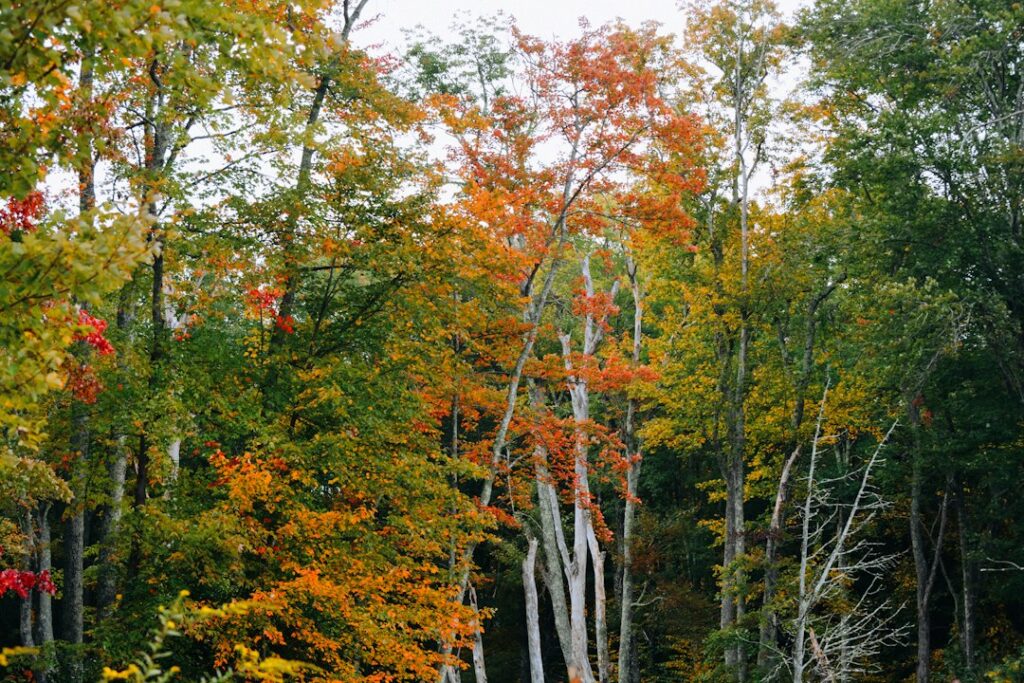
Buying timberland can be a sensible long-term land decision, but it is not automatically a good investment. The right property may provide privacy, recreation, wildlife habitat, possible timber income, and a way to preserve open land. The wrong property can bring access problems, tax surprises, expensive road work, limited building options, and years of delayed financial return.
For residents considering rural property in Franklin, TN, the central question is not simply whether the land has trees. It is whether the acreage, timber, access, zoning, terrain, and intended use fit the buyer’s goals.
What counts as timberland?
Timberland is forested property managed, or capable of being managed, for a combination of uses such as timber production, recreation, wildlife habitat, conservation, or future rural living.
A wooded tract may contain valuable trees, but that does not necessarily make it productive timberland. The quality and commercial value of a forest depend on factors such as:
- Tree species and age
- Trunk size, straightness, and health
- Total acreage and accessibility
- Terrain and soil conditions
- Proximity to usable roads
- Presence of streams, wetlands, or steep slopes
- Whether trees are growing evenly or have been selectively removed
A property with mature hardwoods may look impressive but still have limited harvest value if logging equipment cannot reach it or if much of the acreage is protected by difficult terrain.
Why do people buy timberland?
The strongest reason to buy timberland is often lifestyle rather than immediate profit. Wooded acreage can offer privacy, hiking, hunting, outdoor recreation, and a quieter setting than a typical residential parcel.
Some buyers also want to hold land for the long term. Forests can serve as a form of land ownership that is less dependent on buildings and improvements. Trees continue growing, and a well-managed tract may produce periodic income through carefully planned harvests.
Other potential benefits include:
- Wildlife habitat and natural scenery
- Space for trails, gardens, recreation, or limited agricultural activity
- Protection from nearby development, depending on surrounding ownership
- Potential eligibility for forest or agricultural property tax treatment
- A long-term family asset
These benefits are not guaranteed. Timberland is generally illiquid, and its value may depend heavily on local land demand, future zoning, road access, and the condition of the forest.
Is timberland a good investment?
Timberland can be a good investment for someone with a long holding period and realistic expectations. It is usually a poor fit for a buyer seeking quick appreciation, regular monthly income, or a simple property with minimal upkeep.
Timber income is often irregular. A harvest may occur only after many years, and the amount received depends on tree quality, market conditions, harvest costs, and the terms of the timber sale. The gross value of standing timber is not the same as the owner’s final proceeds.
A timber tract may also require spending on:
- Boundary surveys and marking
- Gravel drives, culverts, or bridges
- Gates and fencing
- Erosion control
- Invasive plant management
- Property taxes and insurance
- Forest management planning
- Repairs after severe storms or unauthorized use
The land itself may appreciate over time, but buyers should not assume that every wooded parcel will become more valuable simply because trees continue to grow.
What should you inspect before buying?
A careful inspection should cover both the land and the forest. Walking only the driveway or the cleared portion can hide major issues.
Start by confirming legal access. A property may appear to connect to a public road but rely on an easement that limits use, requires shared maintenance, or does not adequately serve logging or emergency vehicles. Review recorded easements, road agreements, and any restrictions before treating access as settled.
Next, examine the boundaries. Fences, tree lines, and old paths are not reliable substitutes for a survey. Boundary uncertainty can create disputes over timber, hunting, trails, and future improvements.
The land itself should be evaluated for:
- Buildable areas
- Flood-prone ground
- Wet-weather drainage
- Steep slopes and bluffs
- Soil limitations
- Existing ponds, creeks, and crossings
- Locations for a house, septic system, driveway, and utilities
In the Franklin area, wooded rural properties may combine rolling terrain, seasonal wet conditions, creek corridors, and long distances between practical utility connections. A tract can have attractive acreage while offering only a small portion that is convenient or suitable for construction.
How do you evaluate the trees?
A timber appraisal is different from a general real estate inspection. A qualified forestry assessment can identify species, volume, age classes, access limitations, forest health, and possible management choices.
Look for signs of a healthy, diverse forest rather than only large trees. A tract dominated by a few mature trees may have been high-graded, meaning the most valuable trees were removed while lower-quality trees remained. That can reduce future value and affect forest health.
Ask whether the property has:
- A recent timber inventory
- A written forest management plan
- Records of previous harvests
- Known boundary lines
- Evidence of disease, insects, storm damage, or invasive plants
- A realistic plan for regeneration after harvesting

A timber sale should not be based on a casual estimate from a drive through the property. Different buyers may value the same stand differently, and harvesting costs can substantially reduce the amount paid to the landowner.
What tax issues should buyers understand?
Tennessee has a Greenbelt program that can allow qualifying agricultural, forest, or open-space land to be assessed according to current use rather than full market value. Forest land generally must meet acreage, tree-growth, and management requirements, and a home site may be treated separately from qualifying forest acreage.
Tax treatment should be verified before closing rather than assumed from the seller’s current bill. If land later changes use or no longer qualifies, rollback taxes may apply. The buyer should also confirm whether an existing classification transfers automatically, requires a new application, or depends on continuing management practices.
A lower current tax bill is helpful, but it should not be the reason to purchase land that does not fit the buyer’s broader plans.
Can timberland be developed or divided?
Not necessarily. Wooded acreage may be subject to zoning, minimum lot sizes, subdivision rules, building setbacks, driveway standards, floodplain requirements, environmental constraints, and utility limitations.
The applicable rules depend on whether the property lies within the city’s jurisdiction or an unincorporated area. Franklin’s agricultural and estate-oriented zoning districts are designed to preserve rural character, but zoning categories do not guarantee that every parcel can be divided, developed, or used for a particular agricultural or recreational purpose.
Before buying, verify:
- Current zoning and permitted uses
- Minimum acreage and frontage requirements
- Subdivision potential
- Building and accessory-structure rules
- Septic feasibility
- Road frontage and driveway access
- Floodplain or stream restrictions
- Utility availability
- Any conservation easements or deed restrictions
A statement such as “there may be development potential” should be treated as a question to verify, not as an established property feature.
What are the environmental responsibilities?
Responsible timber management protects soil, streams, wildlife, and the future productivity of the forest. Harvest planning should account for streamside buffers, wet-weather roads, drainage, erosion, and equipment access.
Tennessee forestry guidance recommends keeping heavy equipment out of stream channels, limiting soil disturbance near waterways, and using appropriate streamside management zones. These practices are especially relevant on sloped or creek-influenced acreage, where poorly planned roads can carry sediment into nearby water.
A buyer should also consider whether the property contains sensitive habitat, wetlands, old farm structures, dumping areas, or invasive species that may require attention.
Who is most likely to benefit from buying timberland?
Timberland may suit a buyer who:
- Plans to hold the property for many years
- Values privacy, recreation, or conservation
- Can manage irregular income
- Has funds for roads, boundaries, and maintenance
- Accepts that not all acreage will be buildable
- Wants land that can support several compatible uses
It may not suit someone who needs immediate income, a guaranteed building site, easy access, or a predictable resale timeline.
The most useful mindset is to treat timberland as a long-term land-management decision. The trees are only one part of the purchase. Access, terrain, taxes, regulations, water, utilities, and future goals determine whether the property is truly workable.